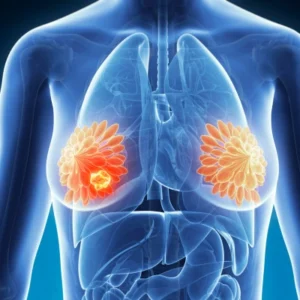
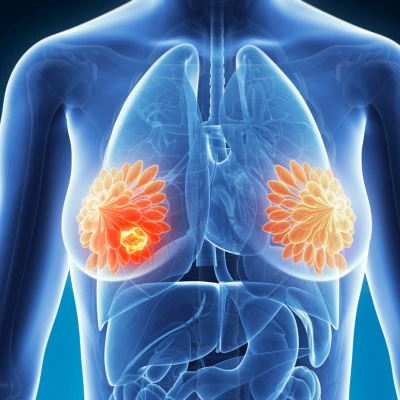
Breast health is an important aspect of overall well-being, yet many women often ignore early warning signs until problems become serious. Breast diseases can be benign (non-cancerous) or malignant (cancerous). Some of the common conditions include fibroadenomas, cysts, infections (mastitis), and breast cancer.
Causes and Risk Factors
Breast diseases may be influenced by genetic factors, hormonal changes, lifestyle, or family history. Women with a family history of breast cancer are at higher risk, while unhealthy lifestyle choices such as smoking, alcohol consumption, and lack of exercise can also increase the chances of developing breast problems.
Symptoms to Watch For
- A lump or swelling in the breast
- Changes in breast size or shape
- Nipple discharge (especially blood-stained)
- Pain or tenderness in the breast
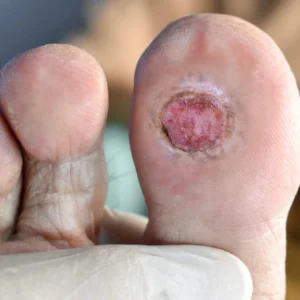
- Skin changes like redness, dimpling, or ulceration
Diagnosis and Treatment
Early detection is the key. Mammography, ultrasound, and biopsy help in diagnosis. Treatments range from medications and minor procedures for benign conditions to surgery, chemotherapy, or radiation therapy for cancers.
Prevention Tips
- Regular breast self-examinations
- Annual clinical breast check-ups after age 40
- Maintaining a healthy lifestyle and diet
- Avoiding smoking and alcohol
👉 With timely intervention and expert care, breast diseases can be managed effectively, ensuring a healthy and confident life.