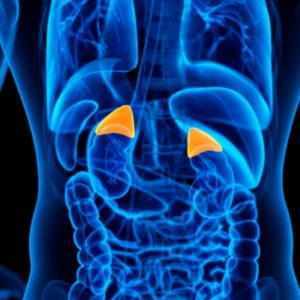

The adrenal glands are two small but powerful organs located on top of the kidneys. Despite their size, they play a major role in regulating vital body functions. These glands produce important hormones such as cortisol, aldosterone, and adrenaline, which help control metabolism, blood pressure, stress response, and electrolyte balance.
When the adrenal glands are not functioning properly, it can lead to a variety of health issues collectively known as adrenal diseases or adrenal disorders.
Common Adrenal Disorders
1. Addison’s Disease (Adrenal Insufficiency)
This condition occurs when the adrenal glands don’t produce enough cortisol or aldosterone.
-
Symptoms: Fatigue, weight loss, low blood pressure, darkening of the skin, and salt cravings.
-
Causes: Autoimmune disease, infections, or damage to the adrenal glands.
2. Cushing’s Syndrome
A disorder caused by prolonged exposure to high levels of cortisol.
-
Symptoms: Weight gain (especially around the face and abdomen), thinning skin, easy bruising, muscle weakness, and high blood pressure.
-
Causes: Long-term steroid medication use or tumors that increase cortisol production.
3. Congenital Adrenal Hyperplasia (CAH)
A genetic condition where enzyme deficiencies affect adrenal hormone production.
-
Symptoms: Irregular menstrual cycles, excessive hair growth, infertility, and early puberty in children.
-
Causes: Inherited gene mutations.
4. Adrenal Tumors and Cancer
Adrenal glands can develop benign (non-cancerous) or malignant (cancerous) growths.
-
Symptoms: High blood pressure, hormonal imbalances, headaches, and sometimes no symptoms at all.
-
Causes: Unknown in many cases, though genetics may play a role.
Symptoms of Adrenal Disorders
Adrenal diseases often mimic other conditions, making them difficult to diagnose. Common signs include:
-
Extreme tiredness or weakness
-
Unexplained weight gain or loss
-
High or low blood pressure
-
Skin changes (darkening, acne, or thinning)
-
Mood swings, anxiety, or depression
-
Salt or sugar cravings
Diagnosis and Testing
Doctors may use several methods to detect adrenal diseases, including:
-
Blood and urine tests (to measure hormone levels)
-
Imaging tests (CT or MRI scans to check for tumors)
-
Stimulation or suppression tests (to see how the adrenal glands respond to certain medications)
Treatment Options
Treatment depends on the type of adrenal disorder:
-
Addison’s disease: Hormone replacement therapy with corticosteroids.
-
Cushing’s syndrome: Surgery, radiation, or medications to lower cortisol levels.
-
Congenital adrenal hyperplasia: Hormone therapy and sometimes surgery.
-
Adrenal tumors: Surgical removal, chemotherapy, or radiation if malignant.
Lifestyle changes such as stress management, balanced nutrition, and regular monitoring also play a key role in long-term management.
When to See a Doctor
If you experience persistent symptoms such as fatigue, unexplained weight changes, or abnormal blood pressure, it’s important to consult an endocrinologist. Early diagnosis can prevent serious complications and improve quality of life.
✅ Takeaway:
Adrenal diseases may be rare, but they can have serious effects on your body if left untreated. Knowing the symptoms, seeking timely medical advice, and following a proper treatment plan can help you maintain good adrenal health.