Breast Diseases
Breast care
Hormonal Influence on the Breasts
Although breasts are not endocrine glands, they are often affected by hormonal changes. Many conditions related to breast health require endocrine evaluation and treatment.
Common hormone-related breast conditions include:
🟣 Gynaecomastia (in males)
– Enlargement of breast tissue in men, usually due to hormonal imbalance.
⚪ Benign Breast Conditions
– Such as fibroadenomas (non-cancerous lumps) and simple cysts.
🔹 Nipple Discharge
– Can result from hormonal changes or underlying medical conditions.
💗 Breast Cancer
– Hormone-related breast cancers may require specialized endocrine-based therapies.
Benign Breast Disease – Fibroadenoma & Cyst
Fibroadenoma: A common non-cancerous breast tumor, typically firm, smooth, and mobile. Often occurs in young women and usually does not increase the risk of breast cancer.
Breast Cyst: Fluid-filled sac within the breast, which can vary in size and may cause tenderness. Generally benign and often related to hormonal changes.
Breast Cancer
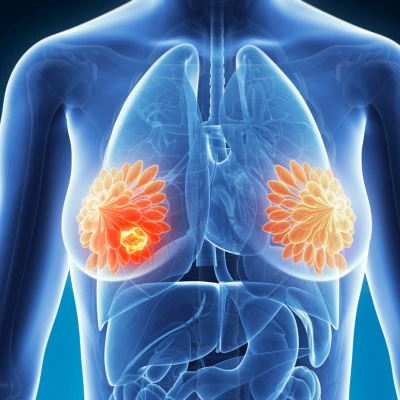
A malignant tumor arising from breast tissue, most often from ducts or lobules. It can spread locally or to distant sites if untreated. Early detection and treatment significantly improve outcomes.
Make Your Appointment
Frequently Asked Questions & Answer on Breast Diseases
What are the most common breast problems women experience?
Lumps, pain, nipple discharge, infections (mastitis), cysts, and fibroadenomas are common. Not all lumps are cancer, but every new change should be checked.
How can I tell if a breast lump is cancerous?
Most lumps are benign, but warning signs include a hard lump, skin dimpling, nipple retraction, or blood-stained discharge. Only a doctor can confirm with tests like mammogram, ultrasound, or biopsy.
When should I start breast cancer screening?
Self-breast awareness: at any age.
Clinical breast exam: usually from age 20s onwards (intervals depend on risk).
Mammogram: commonly recommended from age 40 (earlier if family history or high risk).
What are the risk factors for breast cancer?
Family history, genetic mutations (BRCA1/2), early menstruation, late menopause, obesity, alcohol use, and lack of physical activity all increase risk.
Is breast pain always a sign of cancer?
No. Breast pain is common and usually linked to hormonal changes, cysts, or infections. Cancer rarely causes pain in early stages.
What should I do if I notice changes in my breast?
See your doctor promptly if you find:
A lump that persists
Changes in breast shape or size
Nipple discharge (especially blood-stained)
Skin redness, dimpling, or ulceration
Can men also get breast cancer?
Yes, though rare. Men can develop breast lumps, nipple discharge, or cancer—especially if they have a family history or genetic predisposition.
What treatments are available for breast cancer?
Treatment depends on the stage and type, and may include surgery, chemotherapy, radiotherapy, hormonal therapy, or targeted therapy.
How often should I examine my breasts at home?
Monthly self-breast awareness (best done a few days after your period) helps you notice changes early.