
Thyroid Diseases
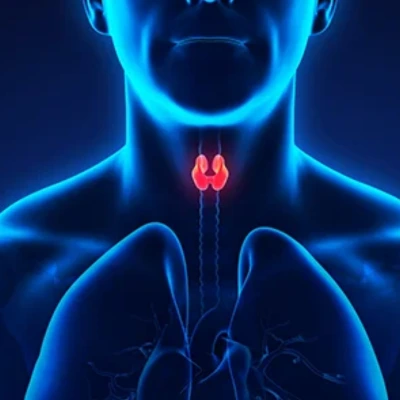
Thyroid care
🦋 Thyroid Gland Overview
The thyroid gland is a small, butterfly-shaped organ (weighing 20–25 grams) located at the front of the neck, just below the skin and in front of the windpipe (trachea).
It produces a vital hormone called thyroxine (T4), which is released into the bloodstream daily at a steady rate.
➡️ This hormone regulates the activity of almost every organ in the body, including the ❤️ heart, 🧠 brain, 🌬️ lungs, 💪 muscles, 🦴 bones, 🩸 blood, 🍖 liver, 🫘 kidneys, 👀 eyes, and more.
When thyroid hormone levels are imbalanced:
⬆️ Hyperthyroidism (excess hormone)
⬇️ Hypothyroidism (deficient hormone)
… both can cause significant disturbances in body functions. Additionally, thyroid nodules and cancers may also occur.
Common Thyroid Disorders
🔹 Graves’ Disease
🔹 Multinodular Goiter / Other Nodules
🔹 Hashimoto’s Thyroiditis
🔹 Thyroid Cancer
🔹 Hypothyroidism
🔹 Dyshormonogenetic Goiter
🏥 Thyroid Surgeries
Depending on the condition, different surgical treatments are performed:
✂️ Hemithyroidectomy – removal of one lobe (half of the thyroid)
✂️ Total Thyroidectomy – complete removal of the thyroid gland
🫁 Sternotomy / Thoracotomy – chest surgery for large goiters extending beyond the neck
🔎 Thyroidectomy with Lymph Node Dissection – performed for thyroid cancers
🖥️ Endoscopic Thyroidectomy – minimally invasive, “scarless neck” surgery
🟡 Parathyroid Glands Overview
The parathyroid glands are four tiny, pea-sized glands located behind the thyroid gland in the neck.
Unlike the thyroid, their job is different—they secrete parathyroid hormone (PTH), which is vital for calcium balance in the body.
➡️ Calcium is essential for 🦴 bones, ❤️ heart rhythm, 🧠 nerve signals, and 💪 muscle function.
When parathyroid hormone levels are abnormal:
⬆️ Hyperparathyroidism (too much hormone) → leads to high calcium, weak bones, kidney stones, abdominal pain, and mood changes.
⬇️ Hypoparathyroidism (too little hormone) → leads to low calcium, tingling, cramps, seizures, and heart rhythm disturbances.
Common Parathyroid Disorders
🔹 Primary Hyperparathyroidism – usually caused by a single overactive gland (adenoma)
🔹 Secondary Hyperparathyroidism – due to chronic kidney disease or low vitamin D
🔹 Hypoparathyroidism – often after thyroid/parathyroid surgery or autoimmune causes
🔹 Parathyroid Cancer – rare but possible
🏥 Parathyroid Surgeries
Surgery is often the main treatment for overactive parathyroid glands:
✂️ Parathyroidectomy – removal of the abnormal parathyroid gland(s)
🔍 Focused Parathyroid Surgery – minimally invasive, guided by scans
🖥️ Endoscopic / Scarless Parathyroidectomy – advanced keyhole surgery for cosmetic results
🔄 Re-exploration Surgery – if disease persists or recurs
Diseases
Make Your Appointment
Frequently Asked Questions &Answer on Thyroid & Parathyroid
The thyroid is a butterfly-shaped gland in the neck. It produces the hormone thyroxine (T4), which controls how fast your body uses energy, regulates metabolism, and keeps organs like the heart, brain, and muscles working properly.
Hypothyroidism (low thyroid): Tiredness, weight gain, hair loss, constipation, depression, feeling cold.
Hyperthyroidism (overactive thyroid): Weight loss, palpitations, sweating, anxiety, tremors, heat intolerance.
Nodules/cancer: Usually felt as a neck lump; sometimes hoarseness or difficulty swallowing.
No. Most thyroid nodules are benign (non-cancerous). Only a small percentage turn out to be cancer. Tests like ultrasound and fine-needle aspiration biopsy help decide if a nodule is suspicious.
Parathyroid glands (usually four) are small pea-sized glands behind the thyroid. They produce parathyroid hormone (PTH), which regulates calcium and phosphorus in the blood and bones.
High calcium from overactive parathyroids (hyperparathyroidism) can cause:
Weak bones and fractures
Kidney stones
Stomach pain, nausea, constipation
Tiredness, mood changes, poor concentration
Yes. Overactive parathyroid glands pull calcium from bones (causing osteoporosis and fractures) and raise calcium in blood, which can lead to kidney stones and kidney damage if untreated.
Yes. Most patients see calcium levels normalize within 24–48 hours after surgery. Some may need temporary calcium or vitamin D supplements until the body adjusts. Surgery usually relieves symptoms and improves bone and kidney health in the long run.