Thyroid and Parathyroid Diseases: Symptoms, Causes, and Treatments
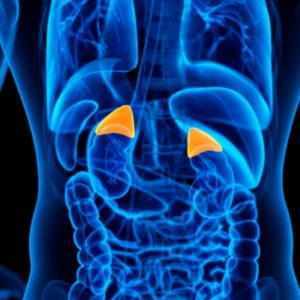
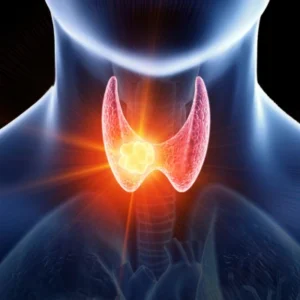
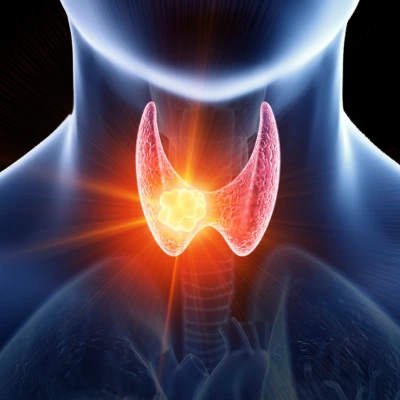
The thyroid and parathyroid glands play a crucial role in maintaining your body’s balance. The thyroid, located in the front of the neck, controls metabolism, energy levels, and growth through the release of thyroid hormones (T3 and T4). The parathyroid glands, found just behind the thyroid, regulate calcium and bone health by producing parathyroid hormone (PTH).
When these glands are not functioning properly, they can lead to a wide range of health issues. Thyroid disorders include conditions such as hypothyroidism (underactive thyroid), hyperthyroidism (overactive thyroid), thyroid nodules, and thyroid cancer. Parathyroid diseases, on the other hand, often involve abnormal calcium regulation, such as hyperparathyroidism (too much PTH) or hypoparathyroidism (too little PTH), which can affect bones, kidneys, and muscles.
Common symptoms may include:
-
Fatigue, weight changes, or mood swings (thyroid)
-
Neck swelling, difficulty swallowing, or changes in voice (thyroid nodules/cancer)
-
Weak bones, kidney stones, or muscle cramps (parathyroid disorders)
Diagnosis usually involves blood tests, imaging studies, and sometimes biopsy to confirm the underlying condition. Treatment options vary depending on the disease and may include medication, hormone replacement therapy, minimally invasive surgery, or lifestyle modifications.
Early detection and proper management are essential for preventing complications and maintaining overall health. If you are experiencing symptoms such as unexplained fatigue, weight fluctuations, or calcium-related issues, consulting an endocrinologist can help you get the right diagnosis and treatment plan.